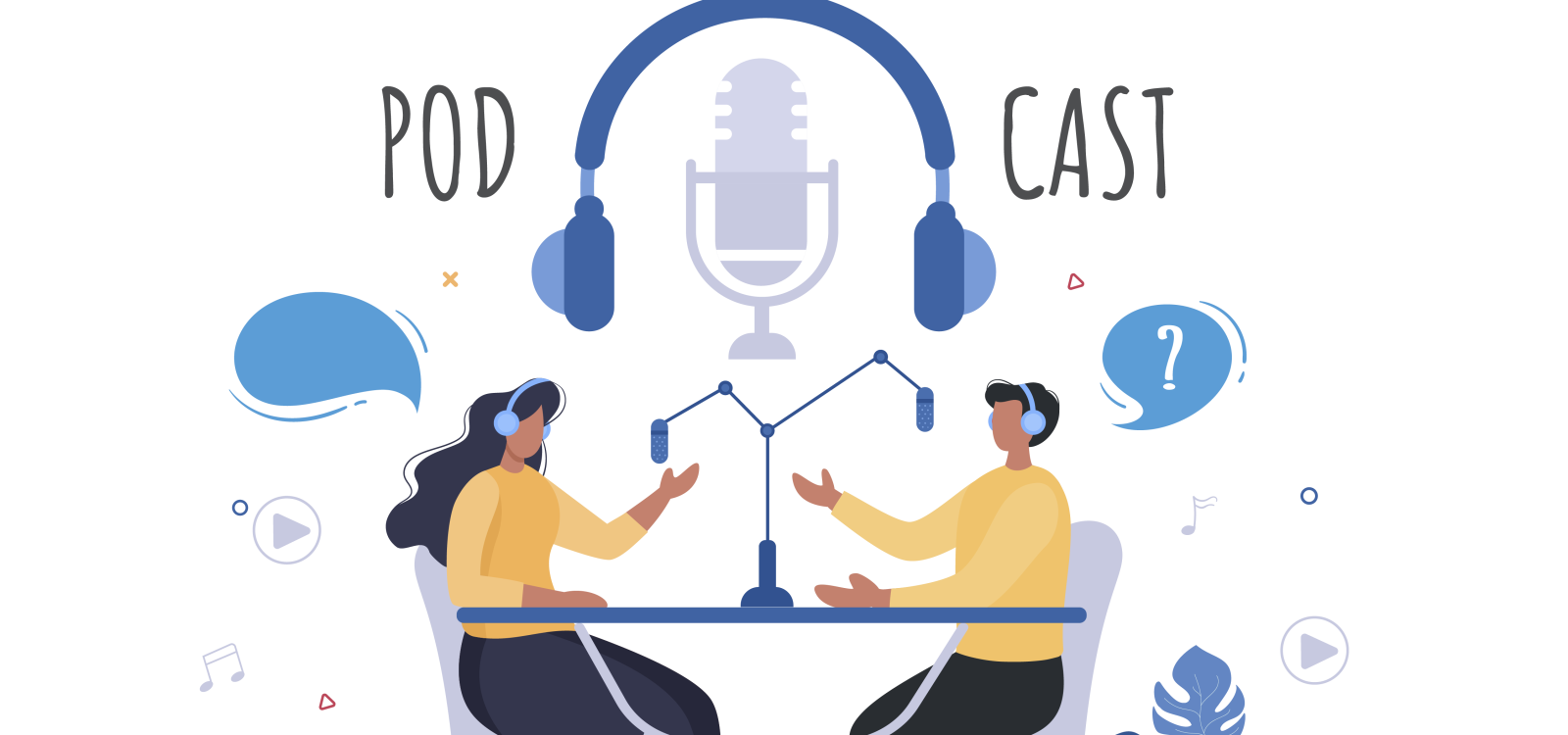
Podcasts have a growing popularity in Nepal, with many podcasters gaining massive fame and stardom within a few years. Do you also want to become a podcaster and enjoy the same lifestyle? Continue with the post to learn everything about how to start podcasting in Nepal.
What is Podcasting?
Most people think podcasts are similar to radio shows, and they are correct. But there is more to it. Before looking into the steps of starting podcasting in Nepal, let us first understand the true essence of podcasting.
Podcasts started as audio recordings in digital format uploaded over the Internet on platforms such as Apple Podcasts, Spotify, or Google Podcasts. Everyone could download these audio files on an iPod, computer, or other device. The name ‘podcast’ itself is a combination of iPod and broadcasting.
Today, podcasts can be both audio-only or audio-video recordings. There are also many more free and premium platforms available to broadcast the podcasts without restrictions on the subject of choice. Live and video podcasts on various topics, from news and sports to comedy and fiction, are gaining massive popularity on YouTube and Podbean.
Some Successful Nepali Podcasts
- Boju Bajai by Itisha Giri & Bhrikuti Rai
- Guff Guff Pass by Sushant Pradhan
- Hamro Yatra by Sangkalpa Gurung
- Aji’s Podcast by Lorina Sthapit
- Period Kaa Kura by Shristi Kafle and Priyanka Budhathoki
- The Back Stage by Sandip Chhetri
- Colors of the Game by Akash Ghimire
- The Doers Nepal by Anup Ghimire
Benefits of Podcasting in Nepal
Creating podcasts has several merits for individuals and groups. Here are some of the highlights of the benefits of podcasting in Nepal.
1. Audience and Community
Podcasting is an excellent way to connect with people who share the same interests and hobbies. Podcasts often create a community around them, building a loyal audience base and emotional attachment with the listeners and the hosts.
2. Learning & Development
Typically, podcasting in Nepal and worldwide revolves around certain niches, such as health, sports, politics, or social norms. Whether conducting in-depth research or interviewing experts, podcasters always get to deepen their understanding and expose themselves to learning opportunities.
3. Increase Credibility
Professionals can use podcasts to showcase their expertise in their respective fields. By regularly sharing their knowledge and insights, they can gain credibility and recognition and position themselves as authorities in the field.
4. Flexible Work
Podcasting requires minimal setup for recording and editing the episodes. It can be done remotely from any place with portable equipment, which results in a flexible work environment and even the possibility of simultaneous travel and work.
5. Monetization and Earnings
Monetization of podcasts is the forte that pulls most creators towards podcasting in Nepal. Podcasters use different ways to generate earnings, such as sponsorships, donations, or selling merchandise.
6. Creative Freedom
Individuals can choose to become radio jockeys and start with an existing audience on the radio channel. But unlike radio stations that mandate following strict rules and regulations, podcasters get much more freedom with their work.
Step-By-Step Guide To Starting Podcasting In Nepal
Beginners are prone to making numerous mistakes and bad choices in their early days. Here are the six steps to get on the right track and make informed decisions while starting podcasting in Nepal.
Step 1: Brainstorm Concepts and Content
The first and crucial part of starting podcasting in Nepal is searching for the perfect topic to focus on in all your podcasts. Individuals must never pick a niche randomly. The niche should be what you are passionate about. You can choose from health, music, business, or sharing stories, but it should always be one that will excite both you and your audience.
Step 2: Plan for Podcasting
The next step in creating a podcast is to select a name for the podcast, a rough format, and a delivery type. The name should be catchy and memorable and reflect the podcast’s theme. Podcasters should avoid rude or negative connotations and also check for trademark conflicts.
Step 3: Equip with Essentials
Podcasters require various equipment for successful podcasting channels. Individuals can leave advanced gear for later, but some tools are ultimate necessities and cannot be done without. The equipment list includes a decent microphone for clear audio, recording software (Audacity or Garageband), a set of headphones, and a computer to edit and process the audio files.
Step 4: Recording and Editing
Podcasters need to find a quiet location for recording that has minimal background noise. Acoustic panels and room filters can also be used for sound shielding and improving the quality of audio. Before recording the whole podcast, record a few portions of the scripts to find mistakes and make necessary adjustments. Then, record and edit the audio to remove unwanted noise, add intros & outros, and insert music & background sounds.
Step 5: Hosting and Distribution
2024 has several hosting and distribution platforms for podcasters in Nepal. Some reliable podcast hosting platforms, like Buzzsprout and Podbean, allow podcasters to upload, store, and distribute their podcasts with free or premium plans. The hosting platform will generate an RSS feed, which can be submitted to popular podcast directories like Spotify to reach a larger audience.
Step 6: Promotion and Building Audience
Podcasts will have value only if there is an audience to listen to them. The most popular and best approach to promoting your podcast episodes and attracting an audience is to use social media and networking. Podcasters often use Facebook, Instagram, and Twitter to engage with their audience and introduce them to their podcasts. Two-way communication with the audience is crucial to successfully starting podcasting in Nepal.
Equipment to Start Podcasting in Nepal
Podcasters can purchase the essentials when starting podcasting in Nepal and later upgrade with other items as the podcast grows. Here is a complete list of equipment for podcasters in Nepal.
- Microphone: Use a good USB microphone for easy connection to the computer.
- Recorder: Podcasters may use smartphones, tablets, computers, or a specific-purpose device like a Zoom portable recorder.
- Headphones: A good headphone helps to monitor the audio quality during recording and editing.
- Acoustic Panels: These are the gears to reduce sound reflection and improve audio recording quality.
- Isolation Shield: The sound shield attached to microphones can block unwanted noise behind the microphone.
- Pop Filters: Pop filters are thin circular mesh or nylon that reduce plosive sounds from consonants like P’s and T’s.
- Mic Stands, Shock Mounts, and Boom Arms: These are useful to reduce desk vibrations and keep the microphone in different positions for guest speakers.
- Audio Interface: Podcasters can use software or dedicated external audio interfaces for more control over the audio through visual cues.
Summary
Many people have made a career by starting podcasting in Nepal, and many follow in their footsteps, inspired by success stories. Podcasting has not lost its merit, though. After hard work and dedication toward producing quality podcasts, podcasters enjoy several rewards. These benefits of podcasting in Nepal include widespread popularity, an increase in credibility, good earnings, exposure to novelty, and a creative and flexible work environment.
But to obtain these successful results, beginners must go through a series of important steps. The steps to start podcasting in Nepal begin with brainstorming the concepts, followed by planning, equipping with essentials, recording, editing, hosting, distribution, promoting, and building a loyal audience.
It can be difficult to actively create podcasts and promote them simultaneously. So, as a podcaster, you can opt for Krizmatic’s digital marketing and let experts handle the promotion while you give your entire focus to creating your best podcasts.